01
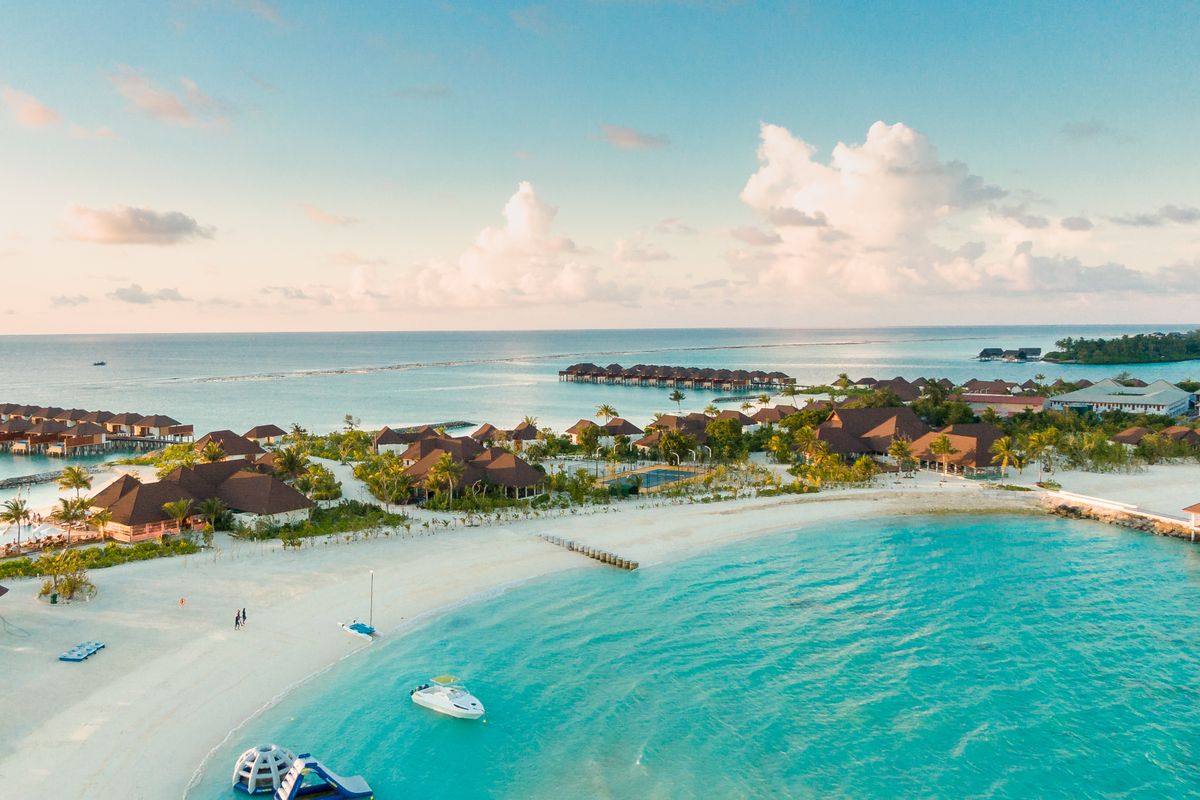
Shore snorkel morning
Enter early while light is kind and boats are fewer. Protect skin. Exit before you burn — water cools the mind faster than it cools UV risk.


Snorkel and dive after temple-dense weeks — Red Sea and Sinai coast pacing that treats recovery as part of the journey, not a guilty pause.
Chapter 05
After Karnak mornings and plateau heat, the Red Sea offers a different intelligence: horizontal time, cool immersion, and a horizon without ticket gates. Reef days are not an escape from History Pass — they are how the body keeps learning when stone has taken its share.
Snorkeling from a quiet shore, a reputable boat day, or a single well-chosen dive can restore attention better than another forced monument. The mistake is packing the coast the same way you packed Luxor: every hour booked, every operator stacked, no empty afternoon for simply floating and looking.
Sinai and mainland Red Sea hubs each have their logistics. What they share is the need for sun discipline, honest boat standards, and the humility to rest between water sessions.
Coast modes
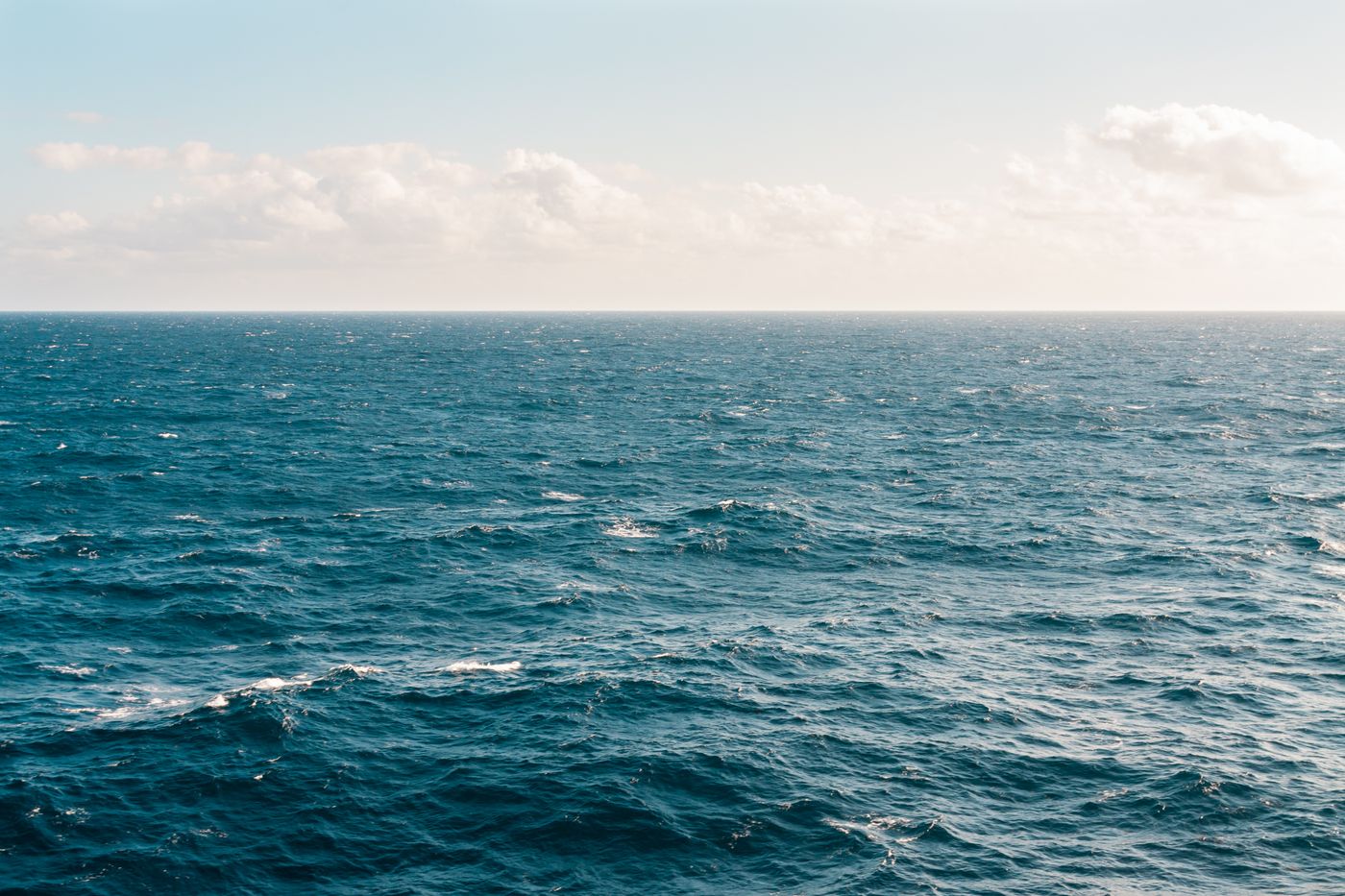
Enter early while light is kind and boats are fewer. Protect skin. Exit before you burn — water cools the mind faster than it cools UV risk.
Choose a reputable operator with clear safety briefings. One good day beats three mediocre ones. Nap on the return; that nap is part of the plan.
Certified divers should still avoid stacking temple climbs and deep profiles without rest. Flying rules and fatigue both matter — read your certification guidance.
No boat. Shade, books, long lunch, short sunset walk. Recovery is a reef day too — especially mid-trip between Upper Egypt and home.
Sample day
Eat enough for swimming, not a feast. Apply sunscreen early. Pack water, rash guard if you have one, and a dry layer for the boat wind.
Shore entry or boat departure. Stay curious but calm. Look for fish behavior and reef structure rather than chasing every camera shot.
Leave the water while you still want more. Heat and salt dehydrate; drink before you feel thirsty. A slow lunch resets the afternoon.
Only re-enter if energy and sun exposure allow. Otherwise, hotel shade is the correct call. Pride is a poor dive buddy.
Walk the shore at lower light. Keep dinner simple. Do not schedule a desert edge dawn for tomorrow unless you have slept well.
Field craft
Prefer known dive centers and boats with clear safety culture. Ask about group size, equipment condition, and briefing quality before you book.
Reef glare multiplies exposure. Cover up between sessions. A burned traveler cancels the next two days of any chapter.
Insert at least a transfer-and-rest buffer after Upper Egypt. Arriving and diving the same afternoon is a common fatigue mistake.
Do not stand on coral. Secure gear. Take only photographs and leave the living structure intact for the next traveler — and for itself.

Where to read next
Use the atlas for place context — hubs, transfer realities, and how coast days sit beside desert edges. This chapter supplies the pacing philosophy those pages assume.
Two to four nights on the coast is a strong recovery block after a temple-heavy week. One overnight can help, but rarely restores fully.
Start with snorkeling. It delivers reef wonder with lower complexity. Dive training mid-trip is possible for some, but it consumes attention you may prefer to keep soft.
Sometimes on Sinai — carefully. Keep one activity primary and the other short. Two peak efforts in heat and water on the same day erase the recovery purpose.
Follow your training agency and operator guidance on surface intervals before flights. Build calendar buffers; do not improvise with airline schedules.
If boats are canceled or you are exhausted, yes. The chapter’s goal is restoration and coastal light — not a mandatory reef stamp.
Continue
Look for itineraries that place coast time after inland density. If your draft route ends on temples, add a reef chapter — your future self will thank you at the airport.