01
Karnak
Columns read as a forest when side light rakes across shafts. Start deep in the hypostyle hall, then work outward as tour groups thicken.

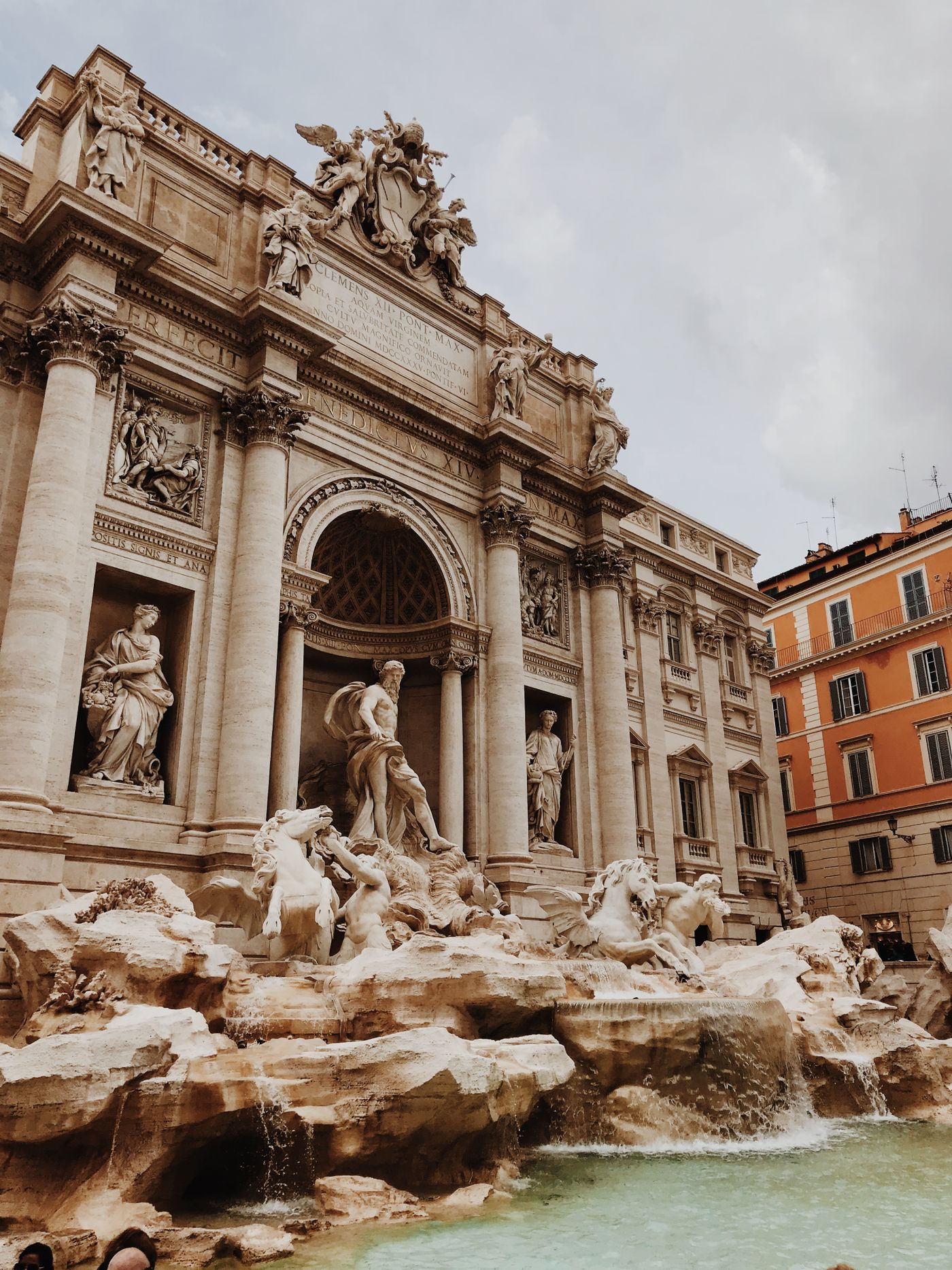
Dawn entries, shade strategy, and why the same sandstone that feels oppressive at noon can feel almost private in the first hour.
Chapter 02
Temples are outdoor architecture under a hard sun. Midday visits are possible — and often miserable. Early light changes everything: softer contrast for the eye, cooler air for the body, and fewer voices bouncing between columns.
This chapter is not about collecting every gate opening. It is about choosing sites that repay dawn attention — Karnak’s hypostyle forest, Hatshepsut’s terraces before heat climbs the cliffs, Abu Simbel’s facade as the sun finds it — and accepting that afternoon belongs to shade, museums, or rest.
Photography without rush follows the same rule. If you are racing the next ticket, you will shoot the crowd’s rhythm instead of the building’s. One slow morning beats three hurried monuments.
Where dawn pays off
Columns read as a forest when side light rakes across shafts. Start deep in the hypostyle hall, then work outward as tour groups thicken.
Terraces against the cliff change character by the hour. Early arrival means cooler climbing and cleaner sightlines across the court.
Not “golden hour” photography inside — but early entry reduces heat stress and decision fatigue at the ticket desk.
Facade and lake light at the opening of the day feel ceremonial. Build buffers around the journey itself; the road is part of the cost.
Sample dawn day
Eat lightly. Pack hat, SPF, and more water than feels elegant. Confirm tickets and tomb choices the night before so the gate is not a debate.
Enter with first groups. Spend real time in the hypostyle hall before checking other courtyards. Sit once in shade and look up — the scale needs stillness.
Leave while energy remains. A café stop beats forcing a second major site into rising heat.
Hotel, museum, long lunch, or sleep. This block is the chapter’s second half: without it, dawn effort collapses into afternoon irritability.
If you still want stone, Luxor Temple near dusk complements the morning without repeating the same heat profile. Otherwise, switch to a Nile evening.
Field craft
Map courtyards, colonnades, and museum rooms as rest nodes. Do not invent shade where there is none — leave earlier instead.
Pick a photographic intention: columns, inscriptions, or human scale. Chasing every angle produces clutter and fatigue.
Some chambers ban cameras or flash. Obey signage. Painted surfaces and tight spaces are fragile; patience is part of the visit.
Licensed guides shine in complex complexes. Ask them to prioritize early routes and skip “just one more” when heat rises.
Photography without rush
Hard noon sun flattens relief and pushes everyone into the same few shaded corners. Early side light reveals carving depth; late side light warms sandstone toward copper. Midday is for notes, not hero shots.
If you want people out of frame, arrive early and stay long in one courtyard rather than sprinting between pylons. Crowds move in pulses — waiting five quiet minutes often opens a cleaner view than walking farther.
Most of all: put the camera down for a full circuit. Memory of scale is harder to keep than another similar photograph.
Luxor & the Valley atlas
In cooler months you have more flexibility. In warmer months, early starts are the difference between a vivid visit and a survival exercise. Even then, one dawn temple beats three late ones.
Usually one major complex. Karnak alone can fill a thoughtful morning. Stacking Hatshepsut and multiple tombs into the same heat window is how days blur.
If weather and timing align, a dawn flight can be extraordinary — treat it as a bonus chapter, not a requirement. Protect sleep the night before.
Some can, with snacks and short circuits. Others do better with mid-morning museum time and a single late-afternoon temple. Match the light strategy to the group, not to Instagram.
Temple Light stays near river towns and monumental stone. Desert Edges adds day-trip buffers and open horizons. Do not schedule both as aggressive early starts on consecutive days without recovery.
Continue
Pass Routes already assume early stone and empty middays. Use this chapter to defend those choices when temptation says “we can squeeze one more.”