01
Valley rim views
Short climbs or lookouts above cultivated belts. You see green as a narrow ribbon — Egypt’s historic heart made visible in one glance.

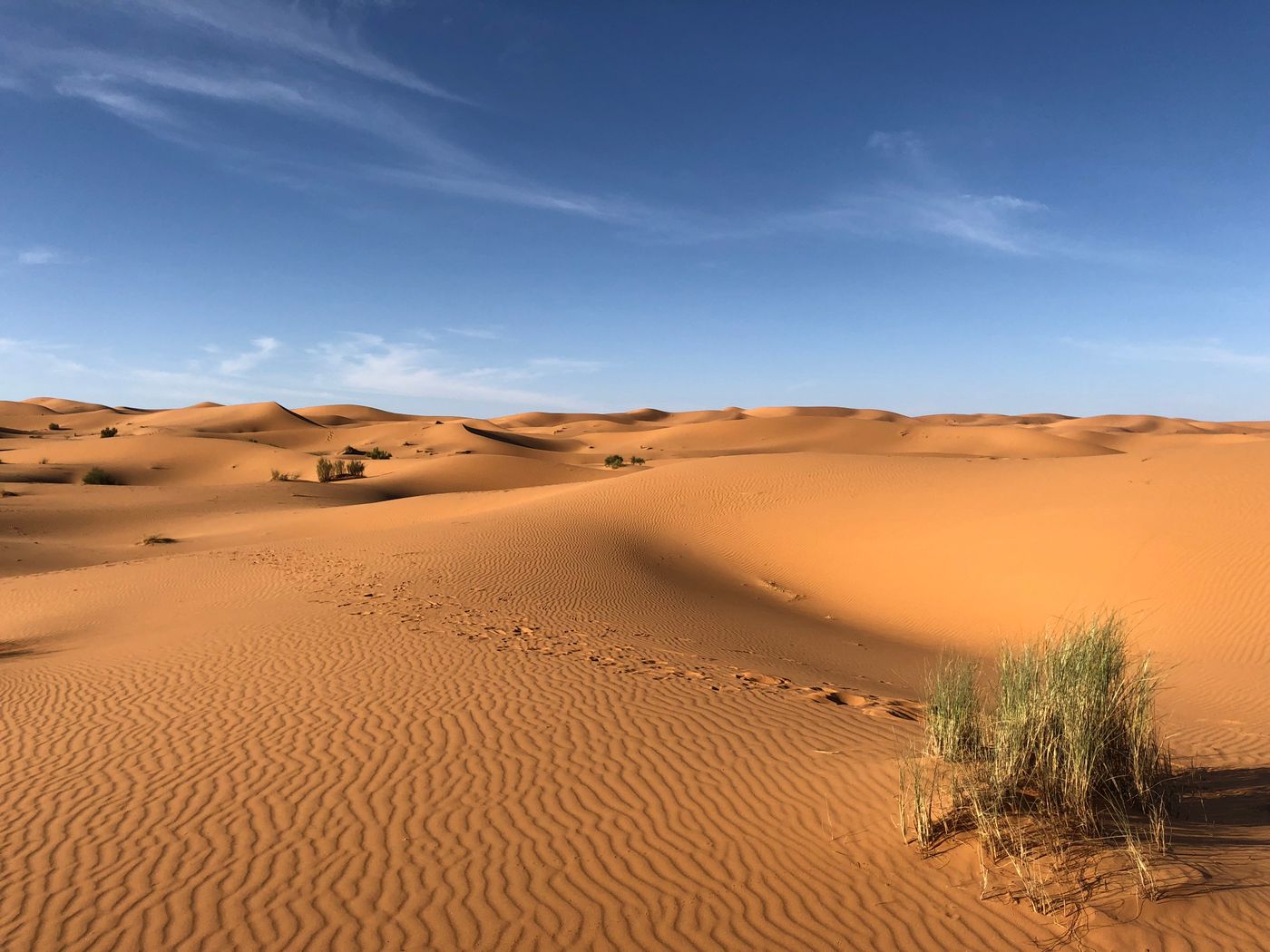
Where irrigation green ends, wind begins — day trips, honest buffers, and the feel of Sinai or Western Desert margins without treating the desert as a theme park.
Chapter 03
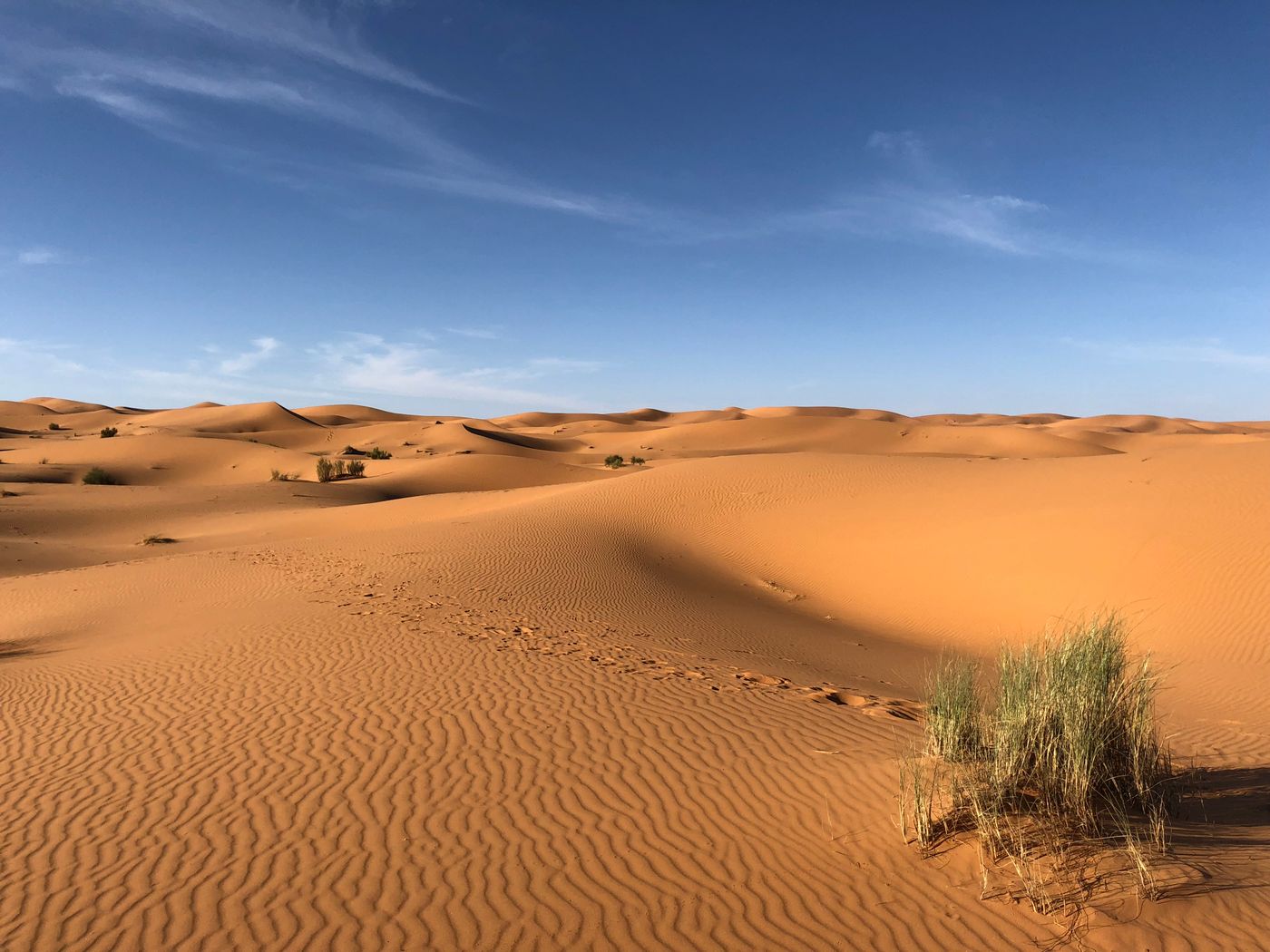
From the Nile valley, desert is never far — a ridge of sand, a plateau edge, a road that leaves palms behind within minutes. That threshold is the subject of this chapter: not deep expedition logistics, but how travelers meet openness carefully.
Sinai offers mountain and coastal desert in one peninsula. Western edges near Cairo and the oases pull you toward different horizons. In both cases, distance on a map underestimates heat, wind, and transfer time. Buffers are not laziness; they are how you keep the day human.
History Pass frames desert edges as a contrast chapter after temple density — a chance to feel geology and silence, then return to river towns with clearer eyes.
Edge types
Short climbs or lookouts above cultivated belts. You see green as a narrow ribbon — Egypt’s historic heart made visible in one glance.
Out-and-back drives with a clear turnaround time. Agree stops in advance. Leave margin for checkpoints, photos, and heat delays.
Ridges and wadis change character by hour. Dawn or late afternoon beats midday glare. Respect local guidance on trails and access.
On the Red Sea and Sinai coast, desert and reef share a day. Keep water activities and desert walks from competing for the same peak heat window.
Sample day
Built for a day trip from a known base — Cairo’s western approaches, a Sinai hub, or a Nile town with a reputable driver.
Hat, SPF, covered shoulders, sealed water. Confirm return time with the driver before you leave the hotel driveway.
Stop while air is still kind. Walk a short, agreed path — not an improvised scramble. Photograph the green-to-sand transition if you are still near cultivation.
One primary objective: a viewpoint, a short guided walk, or a cultural stop at an oasis edge. Avoid stacking “just nearby” attractions that erase your buffer.
Indoor or well-shaded meal. This is when many day trips go wrong — pushing through heat to squeeze another stop.
Leave earlier than feels necessary. Traffic, fatigue, and sunset timing all expand on the way home. Arrive with energy left for a quiet evening.
Safety & buffers
Use reputable drivers and guides, especially for Sinai and remote western routes. Informal offers at hotel doors are not a safety plan.
Carry more than the day “should” need. Desert edges punish optimistic hydration. Share supply plans with the whole group.
Write a latest departure time on paper or phone. When it arrives, leave — even if the light is pretty. Pretty light returns another day; exhaustion does not.
Wind, sand haze, and heat waves rewrite plans. A shortened day that stays safe is a successful desert edge chapter.
Sinai feel
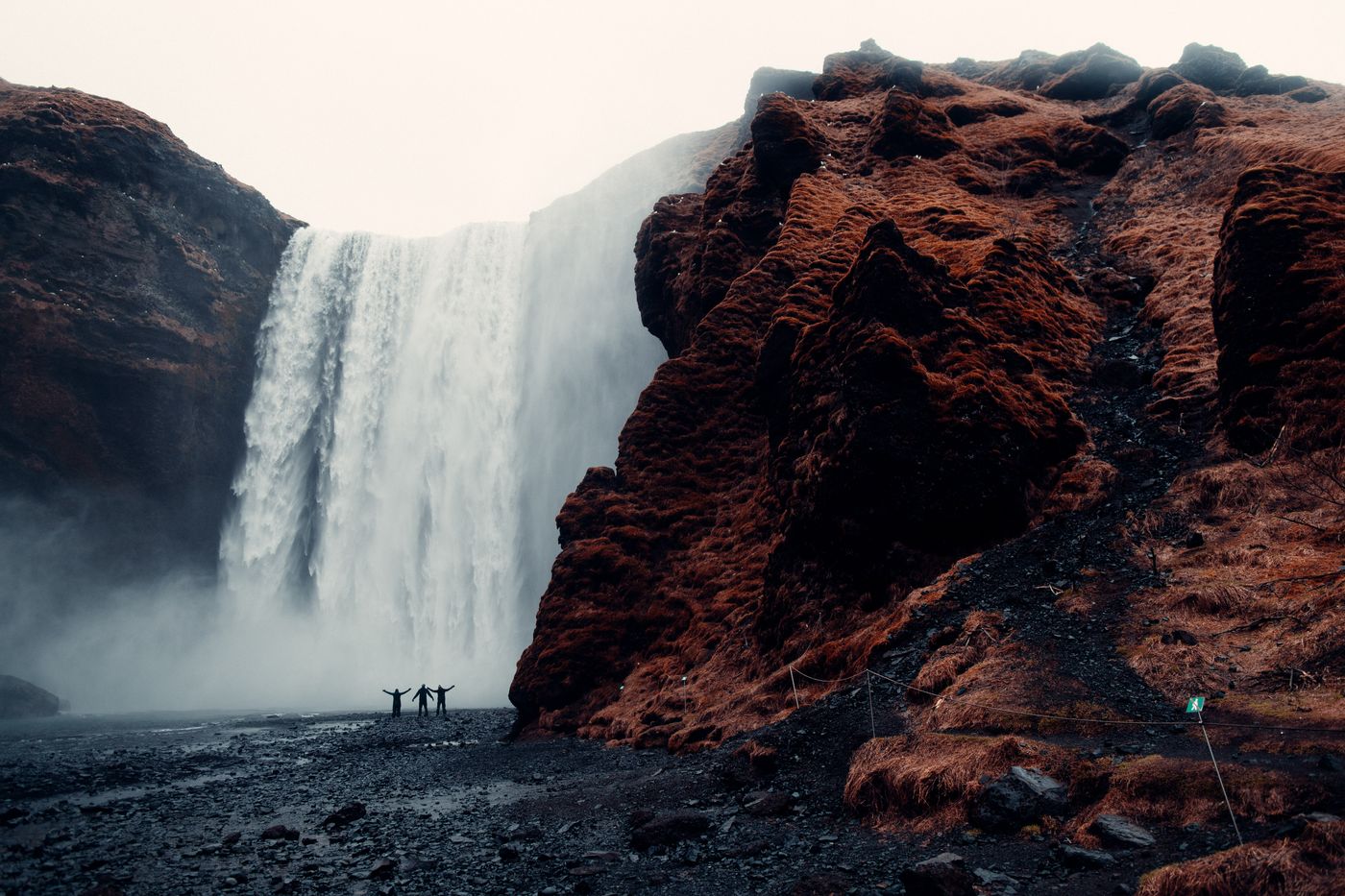
Sinai is not a single mood. Mountain approaches ask for cool hours and respectful pacing; coastal edges mix resort logistics with sudden desert silence a short drive inland.
Read the Sinai atlas page for place context, then use this chapter to refuse overpacked day trips. One ridge walk and a late swim beat a checklist that leaves everyone fried.
Yes, when arranged through reputable channels with clear timing, water, and a realistic scope. Skip improvisational deep drives. Stay on known routes for your first edge day.
Usually no. Both ask for attention and energy. Pair desert edges with a quiet evening, not a second major cognitive load.
Broken-in closed shoes with grip. Sandals fail on hot ground and uneven tracks. Leave brand-new boots at home.
Reef Days prioritize water recovery and coastal pacing. Desert Edges prioritize land openness and transfer buffers. On Sinai, you may touch both — schedule them as separate intentions, not one frantic combo.
Oases trips are rewarding and longer. Treat them as dedicated days or overnights, not casual add-ons to a Cairo museum morning.
Continue
Pass Routes that include Sinai or western day trips already bake in buffers. Use Field Notes for heat and packing, then return to the Atlas when you need place names and logistics.