01
Giza Plateau
Pyramids, causeway views, and the Sphinx. Arrive early, bring water, and decide in advance whether a camel photo stop is worth your time or distraction.

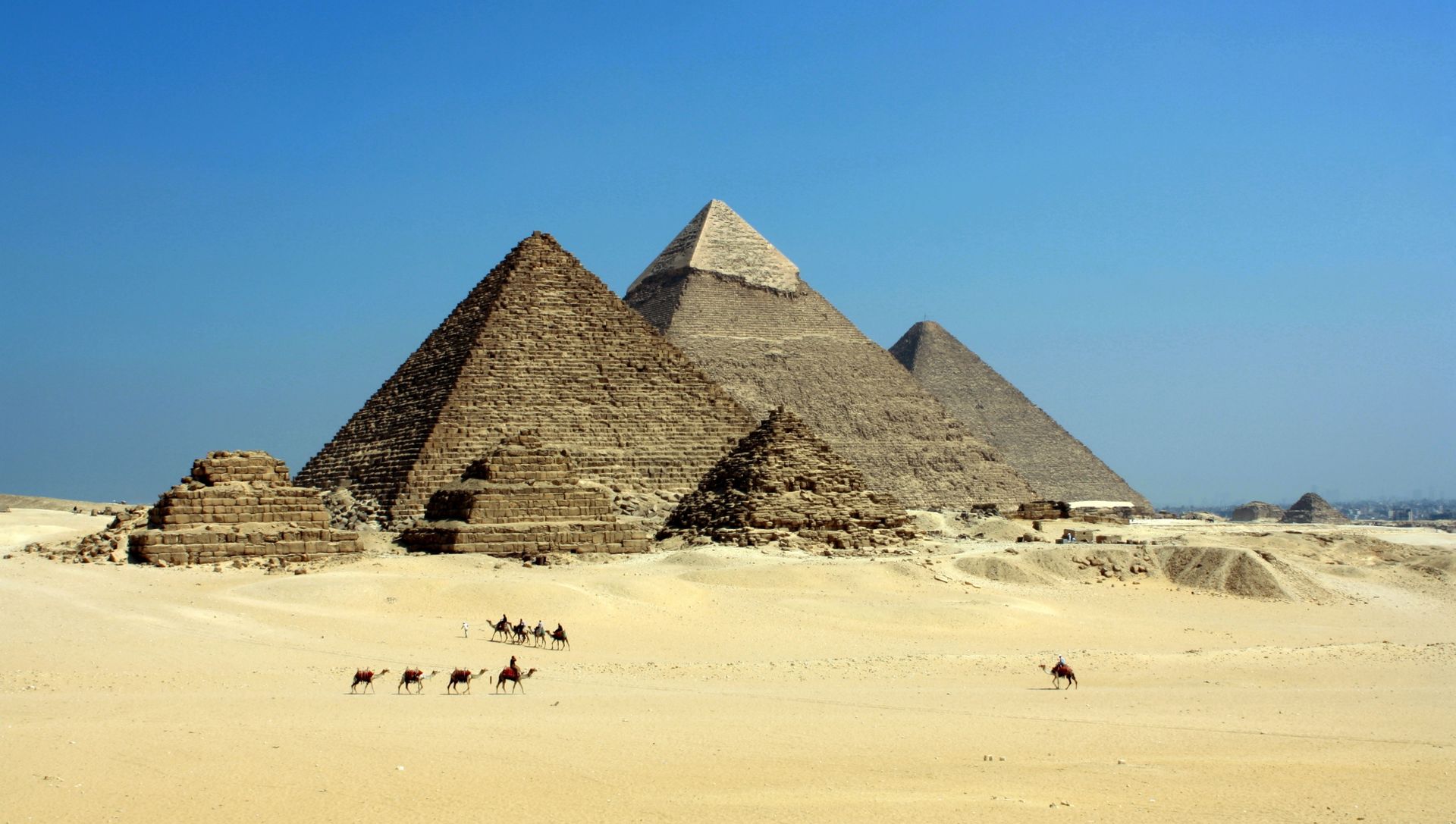
Where stone geometry meets one of the world’s great cities — plateau mornings, museum afternoons, and evenings that hum long after the desert cools.
The arrival chapter
Giza is not a postcard you check off in twenty minutes. Give the plateau an early slot: soft light, shorter lines, and space to walk between the Great Pyramid, Khafre’s silhouette, and the Sphinx enclosure without midday heat pressing on your shoulders.
Cairo itself is a different education. Traffic, call to prayer, café steam, and museum corridors full of objects that once lived beside the Nile. History Pass treats the capital as both gateway and destination — not merely a transfer hotel before Luxor.
Plan at least two full days. One for monuments and one for museums and historic neighborhoods. If you only have one day, choose the plateau at dawn and one major museum block, then protect an evening with nowhere to rush.
Signature places
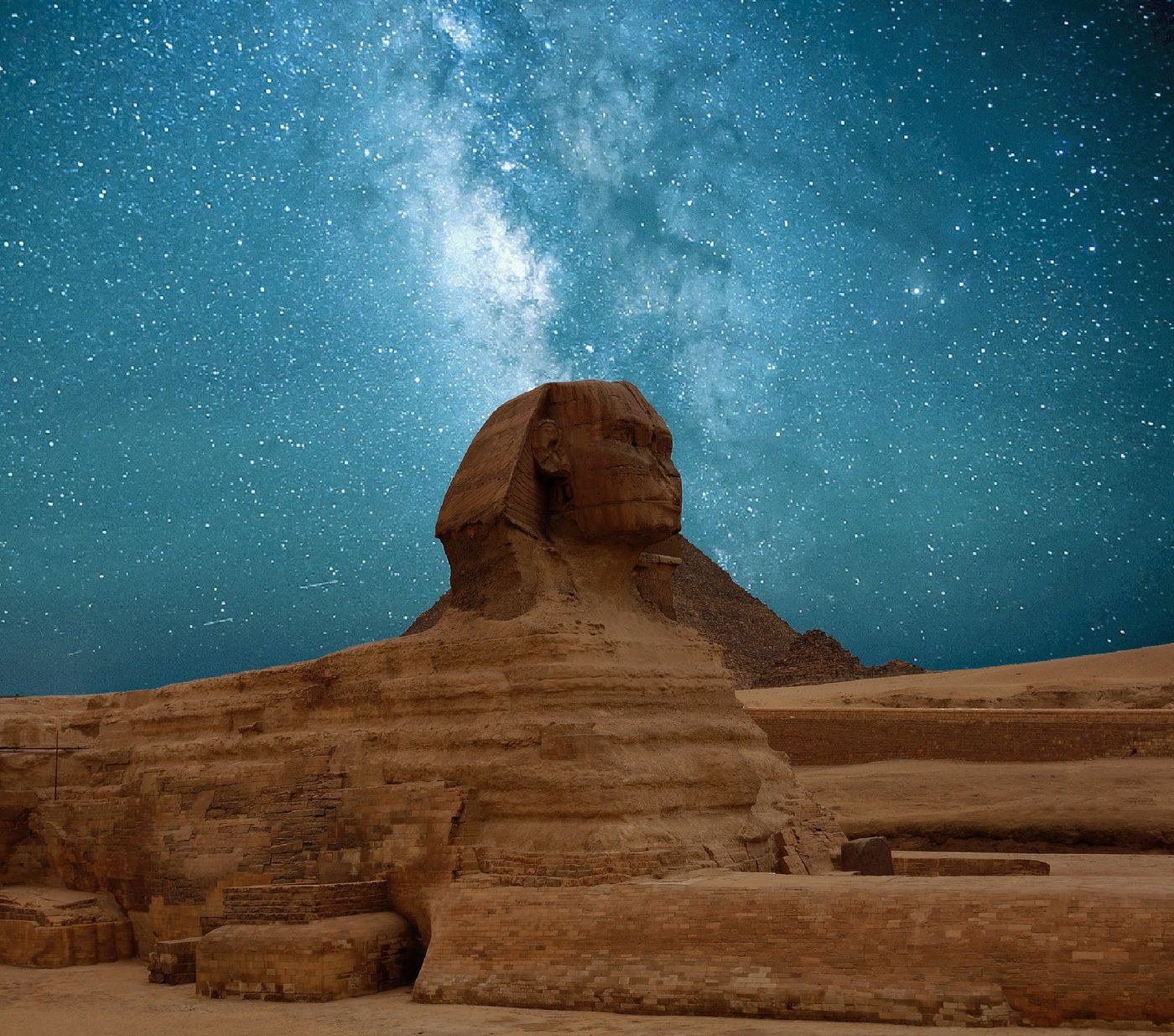
Pyramids, causeway views, and the Sphinx. Arrive early, bring water, and decide in advance whether a camel photo stop is worth your time or distraction.
Egyptian collections reward slow looking. Choose one major museum and go deep rather than racing between every gallery in the capital.
Mosques, markets, and stone lanes around Islamic Cairo offer a living layer of the city’s story. Go with a local sense of direction and modest dress.
Sample day
Beat both heat and coach groups. Confirm ticket options the evening before so morning decisions stay simple.
Walk the core circuit. If entering a pyramid chamber, do it while energy is high. Photograph the Sphinx with patience; the angle matters more than speed.
Return toward the city or stay nearby for a quiet meal. Midday is for shade, not heroic sightseeing.
Indoor culture or shaded lanes. Keep the evening flexible — Cairo’s best hours often begin after sunset.
Field tips
Expect uneven stone and sand. Closed shoes with grip beat fashionable sandals on the plateau.
A licensed guide can unlock context fast. Agree scope and fee clearly before you start walking.
Carry small notes for tips and water. Larger venues increasingly take cards, but do not assume every stall does.
Rules vary by site and gallery. Ask before using flash or photographing people at close range in markets.
Beyond the pyramids
Too many itineraries treat Cairo as a single monumental morning. Stay for a Nile-side walk, a rooftop view, or a neighborhood dinner where conversation lasts longer than the dessert menu.
If you continue south to Luxor, overnight trains or short flights both work. Choose based on energy: trains offer landscape and rhythm; flights save daylight for temples.
Next: Luxor & the ValleyYes, if you start very early and accept a compressed afternoon. Two days feels more humane and usually creates better memories.
Opening hours and ticket products can change. Verify current access the day before and build a backup plan for delayed starts.
A polite, firm “no thank you” and continued walking usually works. Engaging in long negotiations invites more attention.