01
Hurghada-style hubs
Broader resort infrastructure, easy flight links, and many boat options. Useful if you want variety of operators and evening dining without planning everything from scratch.


Coral walls, desert edges, and long blue horizons — the coast where temple-tired travelers rediscover color, buoyancy, and unhurried light.
Why the coast belongs in the atlas
Egypt’s monumental inland days are intense: stone, sun, queues, and long walks. The Red Sea coast is not a distraction from that story — it is the chapter that lets your body catch up while your mind keeps absorbing place.
History Pass maps the coast as a deliberate buffer after Luxor or Aswan, and as a destination in its own right for travelers who care about reefs, desert-edge sunsets, and quieter mornings by the water.
Three to five nights is a common sweet spot. Less can still help if you only need a reset; more lets you mix house-reef days with boat trips and one inland desert evening.

Coastal character
Broader resort infrastructure, easy flight links, and many boat options. Useful if you want variety of operators and evening dining without planning everything from scratch.
Often quieter, with strong reef access and a more stripped-back pace. Favored by divers and travelers who want fewer neon nights and more water time.
A short inland outing — dunes, wadis, or a guided sunset stop — reminds you that the Red Sea sits against real desert, not only hotel gardens.

After the temples
Arrive with low expectations for the first afternoon: swim, sleep, eat simply. The next morning, choose one water activity rather than three. Your legs and attention will thank you.
Keep one full day with no bookings. Coastal trips fail when they become another checklist. Leave space for reading on a shaded lounge, a long snorkel from shore, or an unplanned walk at dusk.
If you still have temple appetite, pair coast time with a single heritage visit nearby — never a full monumental circuit on the same day as a deep dive.
In the water
House reefs and sheltered bays suit first snorkels. Drift dives and deeper walls need recent experience and a reputable operator briefing.
Do not stand on coral, chase turtles, or feed fish. Reef damage is permanent on human timescales; good buoyancy is part of travel etiquette here.
UV multiplies on open water. Reef-safe sunscreen habits, rash guards, and shade between entries prevent ruined evenings.
Check recent reviews for safety culture, not only price. Confirm what is included — tanks, guides, lunch, transfers — before you pay.
Sample stretch
Transfer, light lunch, shoreline swim if energy allows. Early night. No heroic plans.
Stay close. Practice looking slowly: fish schools, soft coral movement, light shafts. Afternoon rest; evening desert-edge sunset if you want one outing.
Two or three water entries with a trusted operator. Pack layers for wind on the return. Celebrate with a simple dinner and early sleep.
Unscheduled morning, optional second snorkel, packing without rush. If connecting to Sinai or Cairo, protect buffer time around flights.
Field tips
Conditions change. Build flexibility into boat bookings and have a shore-based plan B for windy mornings.
All-inclusive resorts simplify logistics. Town-adjacent stays offer more local dining. Choose based on how much planning energy you have left.
Tips, small craft stalls, and some boat extras still prefer cash. Keep small notes accessible in a dry bag.
Respect no-fly intervals after scuba. Plan flights with your operator’s guidance, not guesswork.
Related landscapes
The Sinai shore — around hubs like Sharm and Dahab — offers mountain backdrop, different dive profiles, and easier links to hiking or monastery days. If mountains matter as much as reefs, compare both sides of the water before you lock flights.
Explore Sinai Peninsula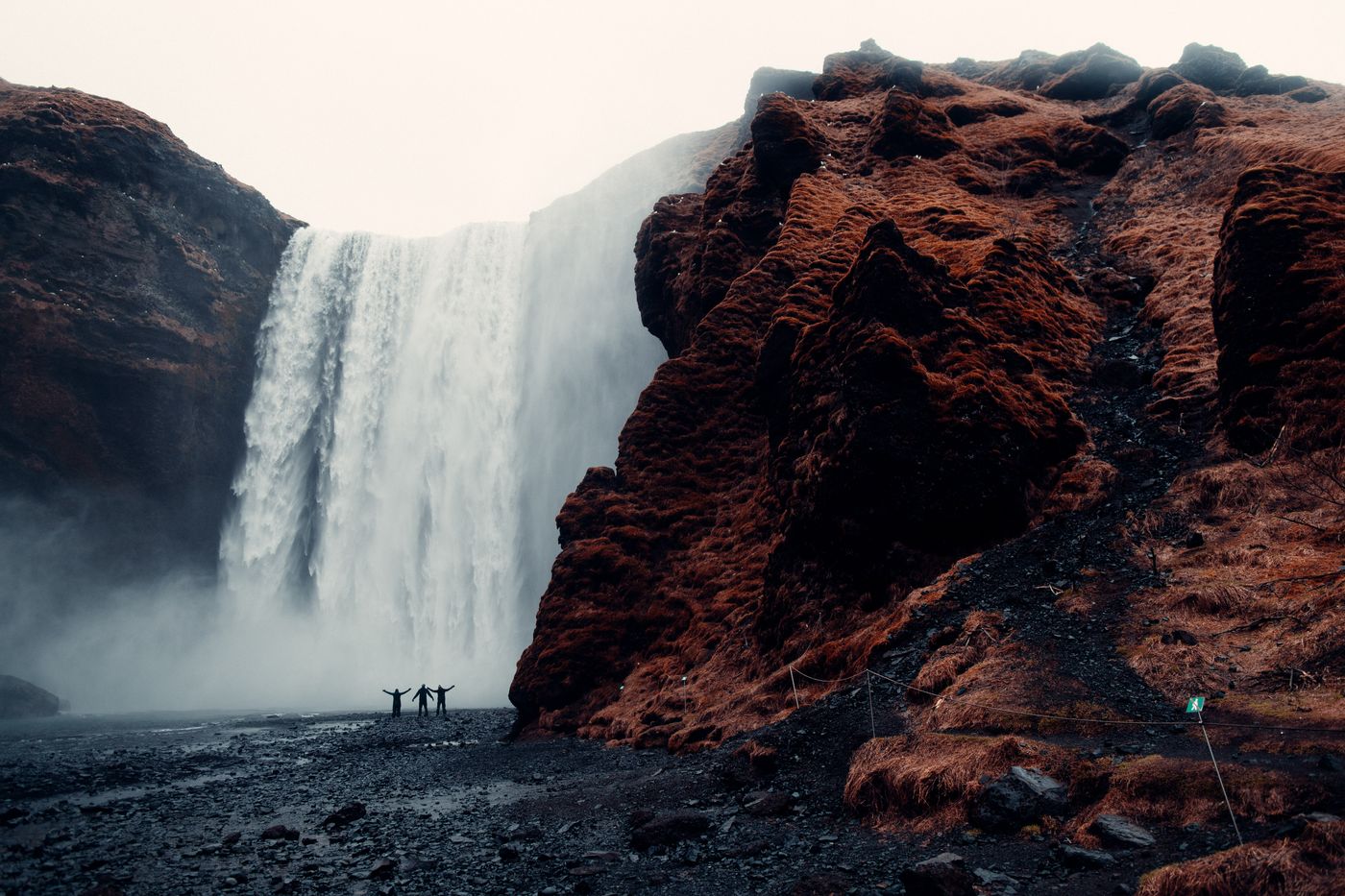
No. Snorkelers, swimmers, and travelers who simply need cooler air and blue horizons find the coast equally valuable. Diving is optional, not a requirement.
Conditions vary by month and wind. Shoulder seasons often balance pleasant air temperatures with workable seas; always check local forecasts close to travel.
Most History Pass outlines put coast time after inland monuments so recovery lands where you need it. Starting with the sea can work if diving is the primary goal.
Domestic flights, private transfers, and some bus options connect the Nile valley to Red Sea hubs. Flights save daylight; road transfers can be long — plan sleep and hydration accordingly.