01
Philae Temple
An island sanctuary dedicated to Isis, dismantled and rebuilt after Lake Nasser rose. Arrive by boat; give the complex time to feel like a place, not a photo stop.

Softer river light, granite islands, rescued temples, and a cultural landscape that stretches south of the classic temple belt — Aswan is where Egypt’s historic journey exhales.
The southern chapter
After Luxor’s density, Aswan feels like a change of key. The river widens in the mind even when the channel is narrow; granite outcrops interrupt the green; evenings arrive with felucca sails and quieter conversations on the corniche.
History Pass treats Aswan as more than a cruise endpoint. It is a place to understand how modern engineering, Nubian heritage, and relocated temples sit in the same frame — and why travelers often remember this stretch for atmosphere as much as for monuments.
Two nights is a workable minimum. Three nights opens room for Philae, a High Dam overview, a Nubian village visit, and an optional Abu Simbel day without stacking every hour.

Signature places
An island sanctuary dedicated to Isis, dismantled and rebuilt after Lake Nasser rose. Arrive by boat; give the complex time to feel like a place, not a photo stop.
Felucca hours, Elephantine views, and corniche walks matter here. Schedule empty river time the way you would schedule a major temple elsewhere.
The Aswan High Dam reshaped Nubia and made Lake Nasser. A short visit helps you grasp why temples were moved and why the region’s story is unfinished without this chapter.
The long day south
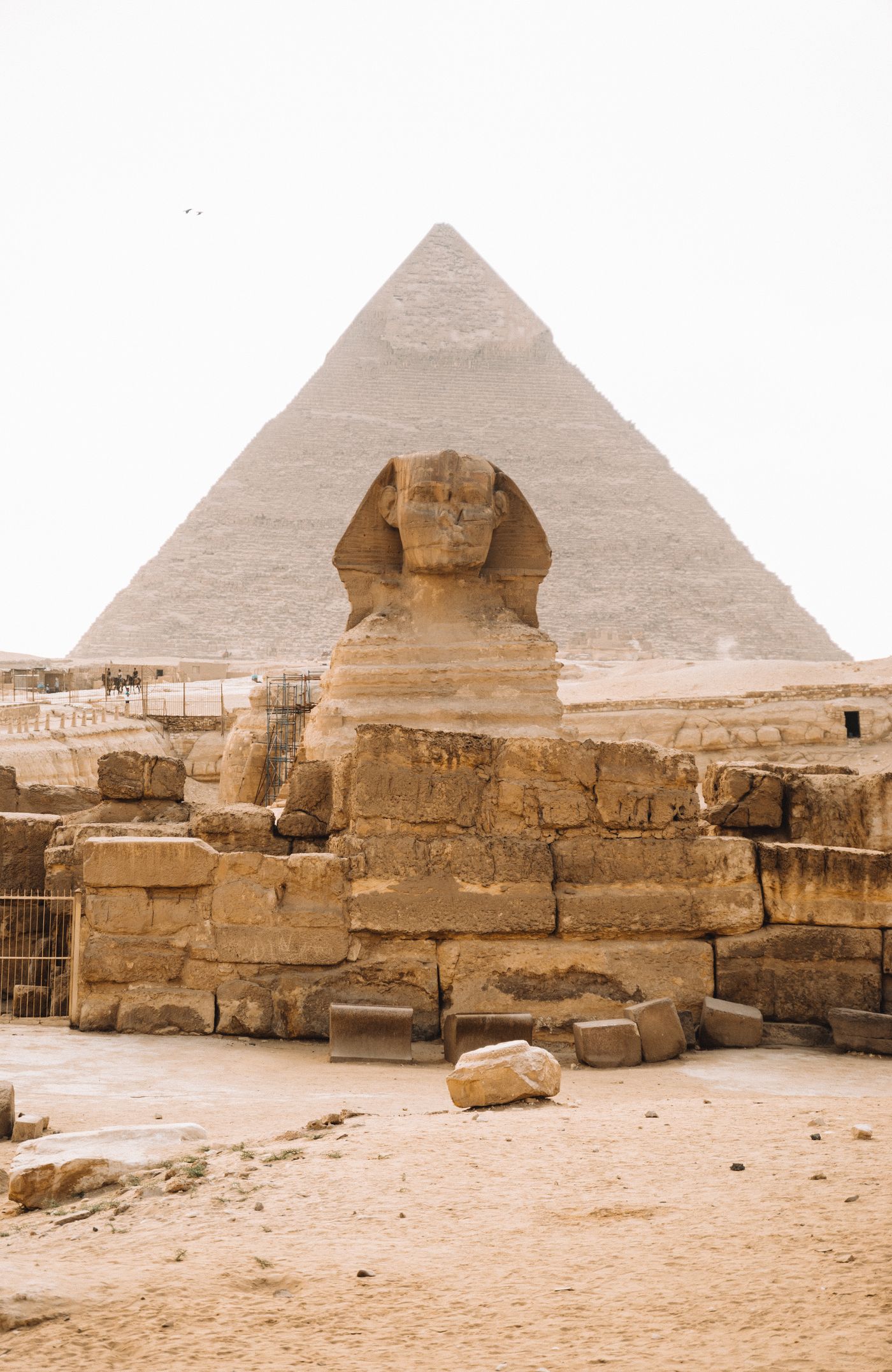
Abu Simbel is one of Egypt’s most dramatic temple ensembles — rock-cut façades facing Lake Nasser, relocated stone by stone in the twentieth century. It rewards the early start it demands.
Most travelers go by convoy road or short flight from Aswan. Road days begin before dawn and return mid-afternoon; flights compress transit but still leave you walking in strong sun. Decide based on energy, budget, and how much of your Aswan stay you are willing to spend on one outing.
If you go, keep the rest of that calendar light. Abu Simbel is not a warm-up for another major site the same evening.
Culture notes
South of Aswan, Nubian communities keep distinct language, color, music, and riverside village rhythms. Visit as a guest, not a collector of “experiences.”
Homes, people, and private courtyards are not open sets. A smile and a clear question go further than a long lens.
Village visits, craft purchases, and meals arranged through local operators keep value in the community you are learning from.
Nubian history includes displacement linked to dam projects. Leave space for that story if your host chooses to share it.
Modest clothing is appreciated in villages and at religious sites. Comfortable coverage also helps against sun and sand.
Sample days
Boat to Philae after a measured breakfast. Midday rest on the corniche or in shade. Late afternoon felucca among the islands; dinner with nowhere else to be.
Short High Dam and lake overview, then a guided Nubian village visit with time for conversation and tea. Keep evening free — Aswan works best when you stop stacking.
Either commit to the Abu Simbel early start, or use the day for botanical gardens, museum browsing, and river idle time. Both are valid History Pass choices.
Field tips
River glare plus open stone can tire you faster than inland temples. Hat, sunglasses, and steady water matter even on “easy” days.
Philae boatmen and felucca captains work on local rhythm. Agree price and return clearly before you board.
Confirm departure times the evening before. Carry passport if required for checkpoint routines on road days.
Aswan is often hotter than Cairo. Plan midday indoors and save ambition for early and late light.
Where next
From Aswan, many travelers continue to the Red Sea for reef days after temple walking. Others reverse north by train or cruise, carrying a quieter Nile memory into Luxor or Cairo again.
If your trip still has room, a coastal buffer after Aswan often feels like the most generous gift you can give your itinerary.
Next: Red Sea Coast
If monumental rock temples are high on your list, yes — especially once in a lifetime. If you prefer river atmosphere and fewer transit hours, Philae plus Nubian time may serve you better.
Two nights cover Philae and river mood. Three nights make Abu Simbel or a deeper Nubian day realistic without exhaustion.
Cruises deliver continuity between Luxor and Aswan. Land stays give freer evenings and easier village timing. Hybrid trips — cruise one way, overnight in town — often work well.
Yes, if you start early and keep lunch simple. Leave evening free so the day does not turn into a logistics race.